Building a Skilled Research Workforce
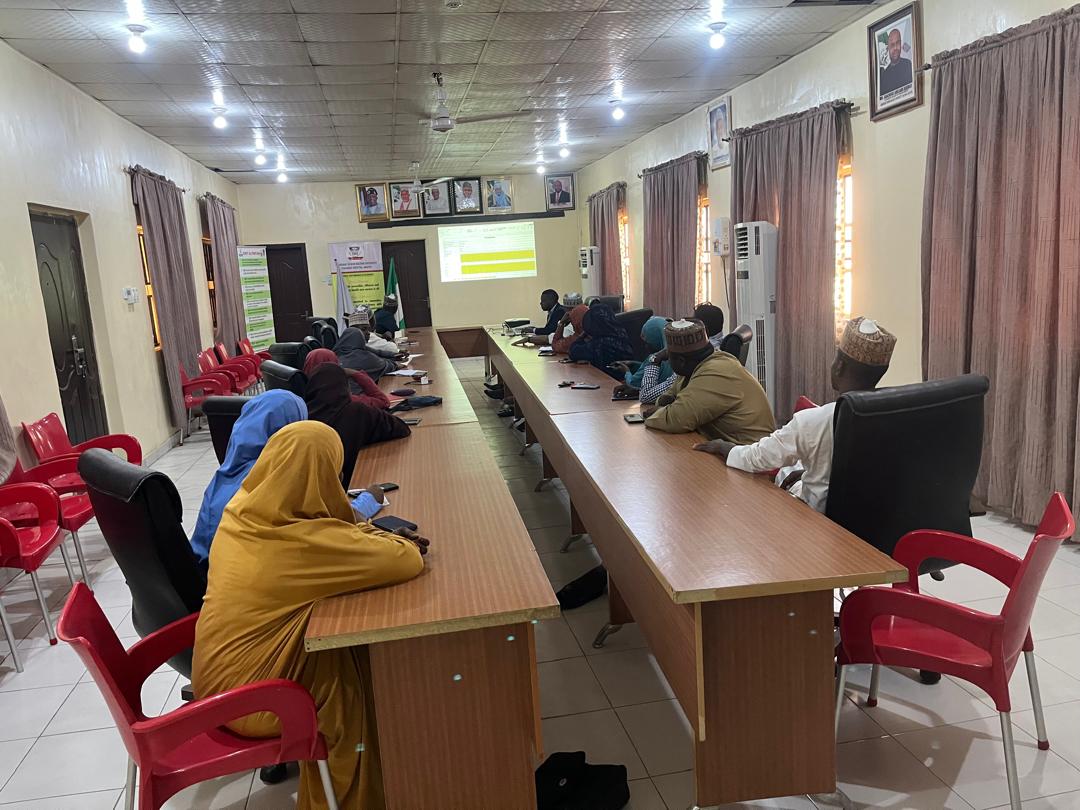
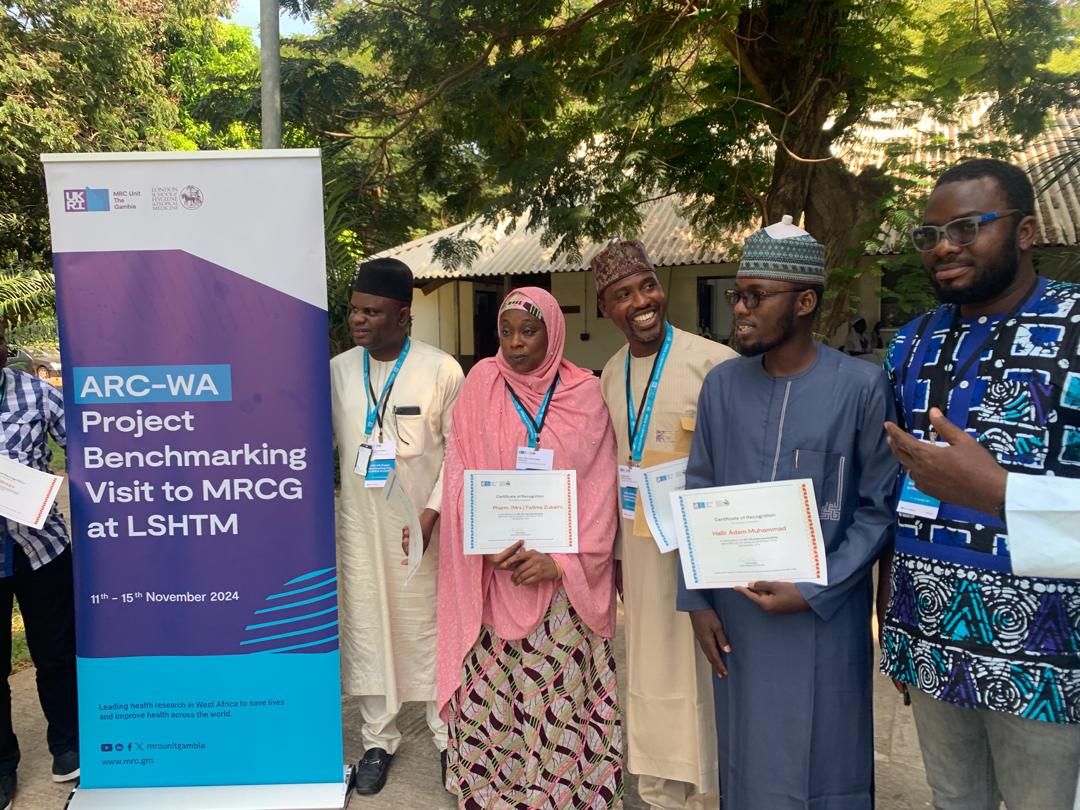
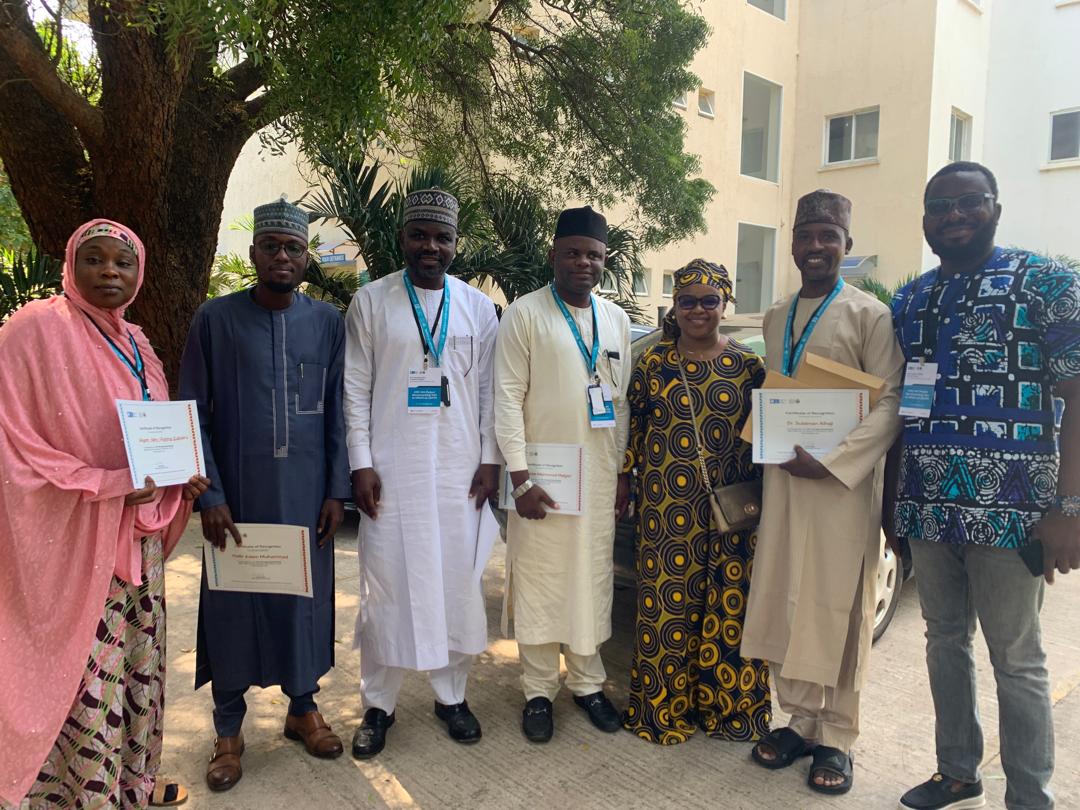
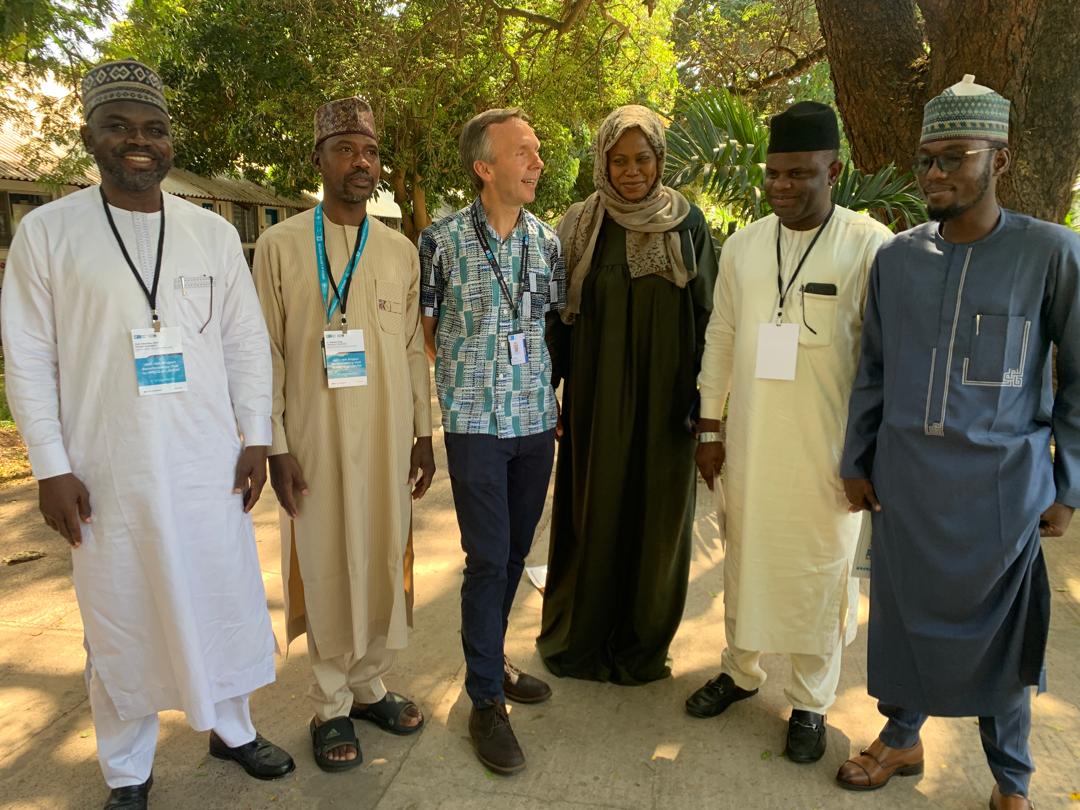
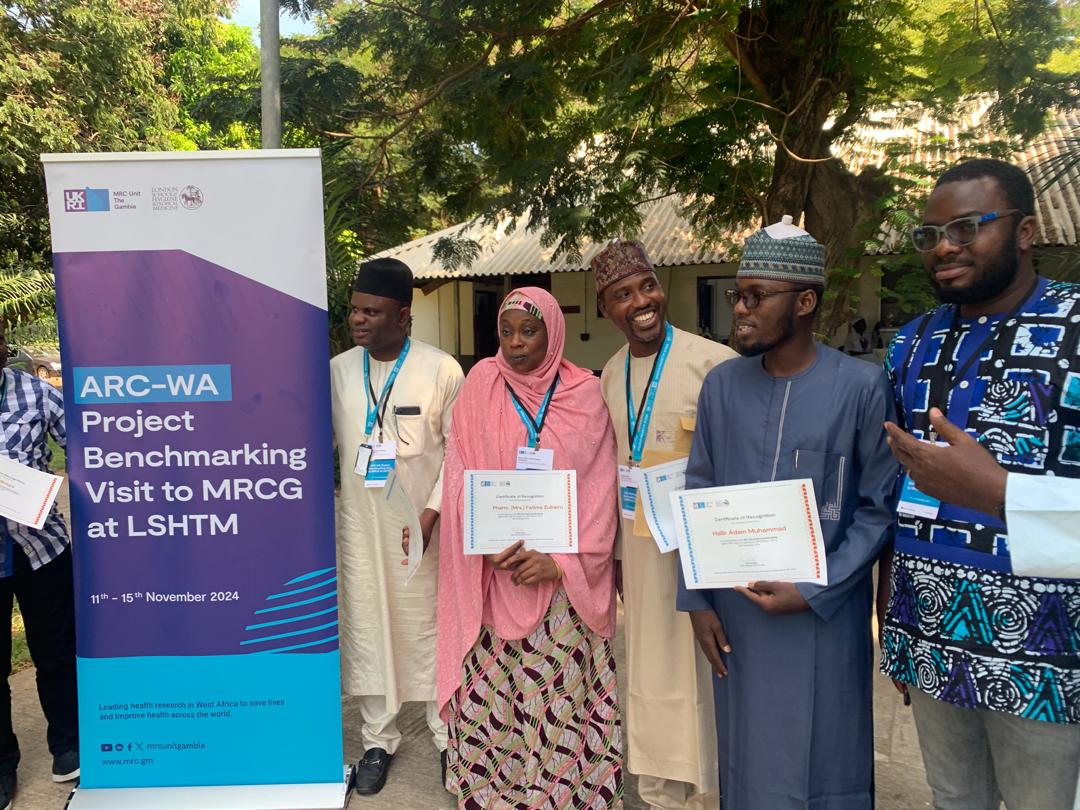
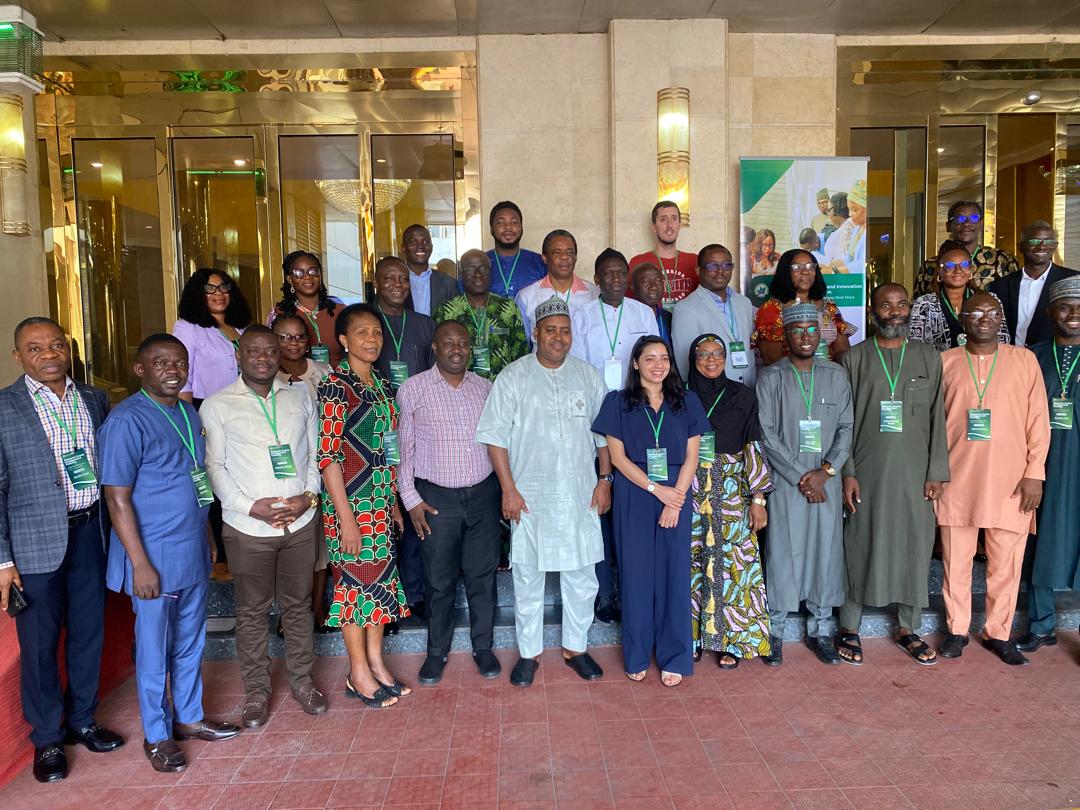
A major pillar of the ARC-WA Project was the development of human resource capacity. More than 100 healthcare professionals and support staff across various departments benefited from specialised training programmes designed to strengthen the hospital’s research and clinical trial capabilities.
Training areas included:
- Clinical Research and Clinical Trial Management
- Good Clinical Practice (GCP)
- Good Clinical Laboratory Practice (GCLP)
- Research Ethics and Regulatory Compliance
- Data Management and Quality Assurance
- Laboratory Diagnostics
- Biosafety and Biosecurity
- Project Management, Monitoring and Evaluation
- Financial Management
- Financial Management for Non-Finance Managers
- Community Engagement
- Advanced Life Support
- Grant Management
- Malaria Microscopy
- International Air Transport Association (IATA) Training on Transportation of Biological Samples
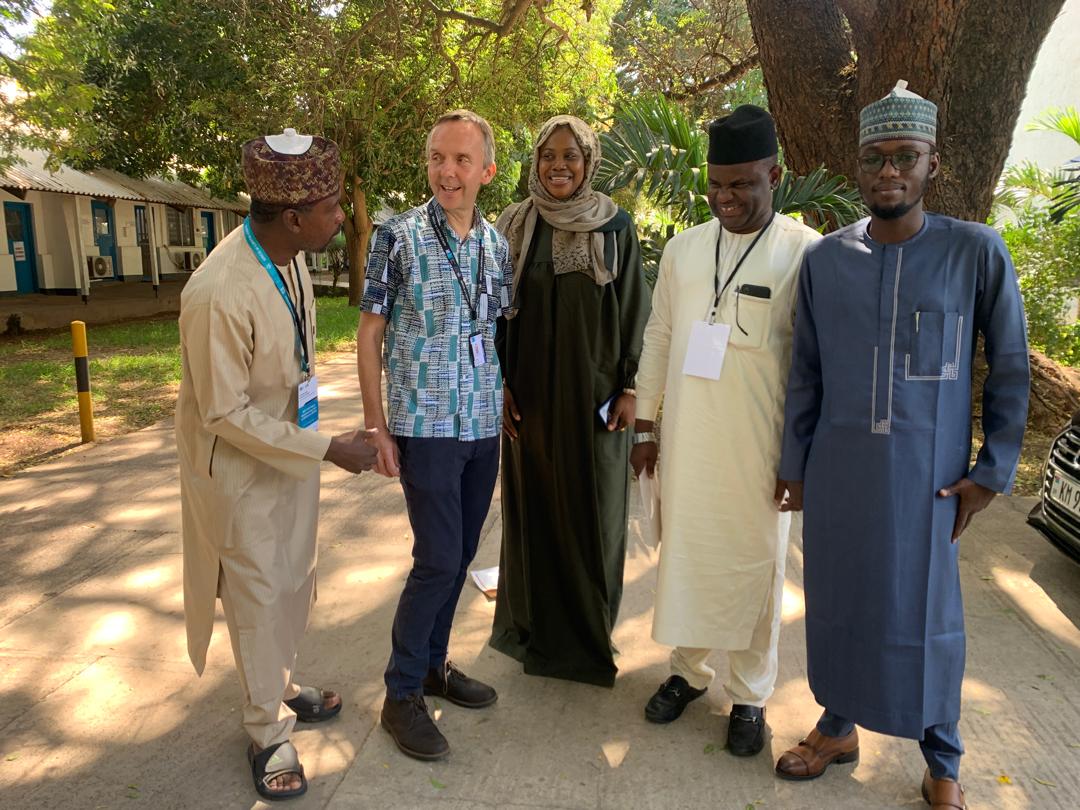
These capacity-building initiatives have strengthened the competencies of clinicians, researchers, laboratory scientists, pharmacists, nurses, and administrative personnel, enabling the institution to conduct high-quality research in accordance with international standards.
Establishing Functional Research Work Streams
To ensure effective implementation and sustainability of project activities, six multidisciplinary work streams were established within the hospital.
These work streams provided strategic leadership and operational coordination across key areas of the project, including quality management, community engagement, research governance, planning, implementation, and monitoring.
The structures created under the project continue to support institutional research activities and have strengthened collaboration across departments, fostering a culture of research excellence and accountability.
Development of a World-Class Phase II Clinical Trial Facility
One of the most significant achievements of the ARC-WA Project at ATBUTH was the construction of a modern Phase II Clinical Trial Facility.
Designed to meet international standards for biomedical research and clinical trials, the facility has significantly enhanced the hospital’s capacity to:
- Conduct Phase II clinical trials and related research activities
- Participate in multicentre international studies
- Attract competitive research funding and partnerships
- Support the development and evaluation of vaccines, therapeutics, and diagnostics
- Strengthen preparedness for emerging and re-emerging infectious diseases
The facility represents a strategic investment in Nigeria’s research ecosystem and contributes to regional efforts aimed at improving epidemic preparedness and response.
Expanding Community Research Through Satellite Centres
Recognising the importance of community participation in research, the project supported the establishment of two satellite research centres in Toro and Kirfi Local Government Areas of Bauchi State.
These centres provide platforms for:
- Community-based research activities
- Participant recruitment and follow-up
- Health education and awareness programmes
- Community engagement initiatives
- Disease surveillance and monitoring
- Support for clinical trial implementation
By extending research activities beyond the hospital environment, the satellite centres have improved access to research opportunities for underserved populations while strengthening community trust and participation in health research.
Modernising the Molecular Genetics and Infectious Diseases Research Laboratory
The ARC-WA Project also facilitated the comprehensive renovation and upgrade of the Molecular Genetics and Infectious Diseases Research Laboratory at ATBUTH.
The laboratory was modernised and equipped with advanced technologies to support contemporary research and diagnostic needs.
The upgraded facility now provides enhanced capacity for:
- Molecular diagnostics
- Infectious disease surveillance
- Genomic and molecular biology research
- Clinical trial laboratory support
- Public health emergency response
Today, the laboratory serves as a critical resource for research, training, innovation, and disease monitoring, supporting both institutional and national health priorities.
Lasting Impact on Research and Public Health
The implementation of the ARC-WA Project has produced measurable benefits for both the institution and the communities it serves.
Key outcomes include:
- Strengthened research capacity and workforce development
- Enhanced clinical trial infrastructure
- Improved laboratory diagnostic capabilities
- Increased epidemic preparedness and response readiness
- Expanded community-based research platforms
- Greater opportunities for local and international collaborations
- Improved competitiveness in securing research grants and funding
- Enhanced institutional visibility as a centre for research excellence
Looking Ahead
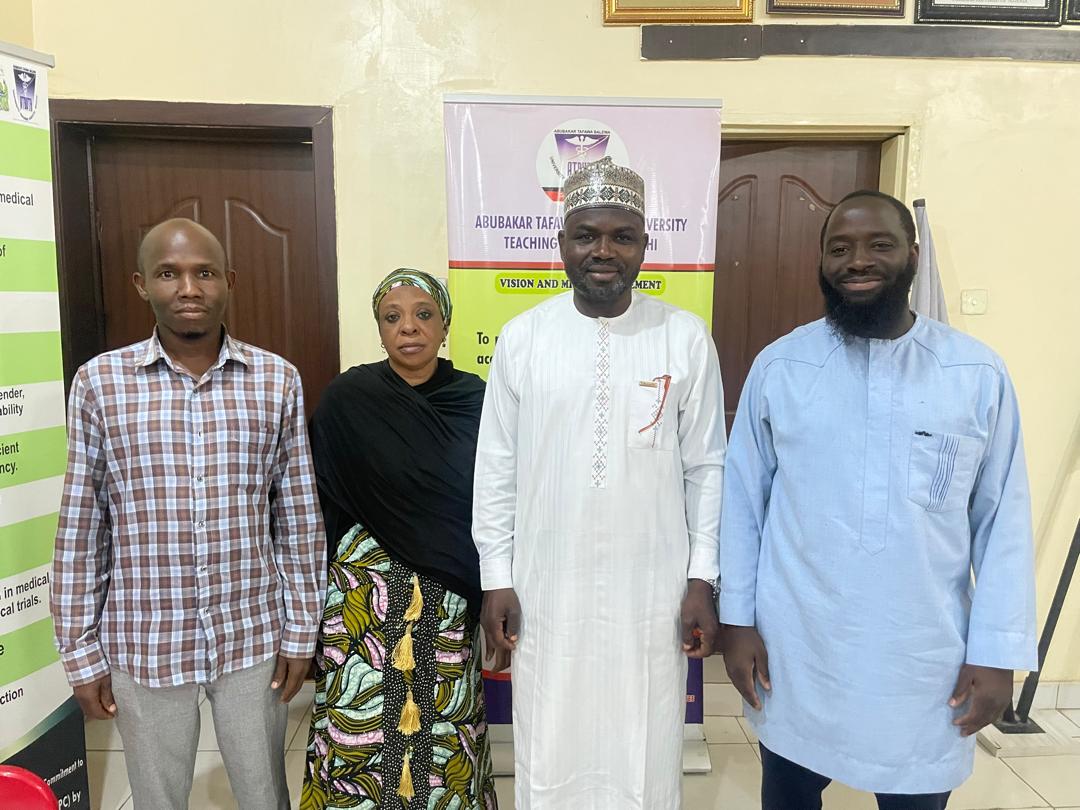
The successful implementation of the ARC-WA Project marks an important milestone in the growth and development of ATBU Teaching Hospital, Bauchi.
Through the support of CEPI and the sponsorship of MRC Unit, The Gambia, the hospital has strengthened its foundation for sustainable research excellence, clinical innovation, and public health advancement.
The investments made under the project continue to create opportunities for scientific discovery, capacity development, and improved healthcare outcomes. As ATBUTH builds on these achievements, the institution remains committed to advancing research that addresses local health challenges while contributing to regional and global health priorities.
Through partnerships, innovation, and a dedication to excellence, ATBUTH is helping shape the future of clinical research and epidemic preparedness in Nigeria and across West Africa.